

How to Choose the Best Pavers for Your Hardscaping Project
Transforming a basic backyard, lawn, or patio area into an inviting, highly functional outdoor living space requires careful planning, creative design vision, and durable material selection. Hardscaping elements—such as stone walkways, expansive paver patios, swimming pool decks, driveway extensions, and retaining walls—serve as the foundational framework for modern residential landscape architecture. Unlike organic lawn turfs or delicate garden beds that shift, wither, and demand constant seasonal maintenance, hardscaping features provide permanent structural definition, clean spatial boundaries, and multi-season usability. Selecting the ideal paver materials for these exterior structures stands as one of the most critical design choices a property owner can make, influencing everything from daily foot traction and surface drainage to long-term property equity and neighborhood curb appeal.
Navigating the extensive array of paver materials, geometric shapes, surface textures, color palettes, and installation techniques can quickly feel overwhelming for homeowners planning a landscape renovation. Today’s hardscaping market offers a diverse spectrum of options, including classic molded concrete pavers, natural quarried stone flags, high-density porcelain tiles, and traditional fired clay bricks. Choosing the right material requires balancing visual aesthetics with practical factors, such as load-bearing requirements, weather resistance, slip safety, joint stabilization, and ongoing maintenance demands. Exploring key considerations—such as evaluating material durability, analyzing long-term lifespan expectations, matching architectural styles, verifying load capacities, selecting slip-resistant textures, and engaging professional installation teams—reveals how choosing high-performance pavers creates a breathtaking, long-lasting outdoor sanctuary.
Evaluating Diverse Paver Materials and Understanding Core Performance
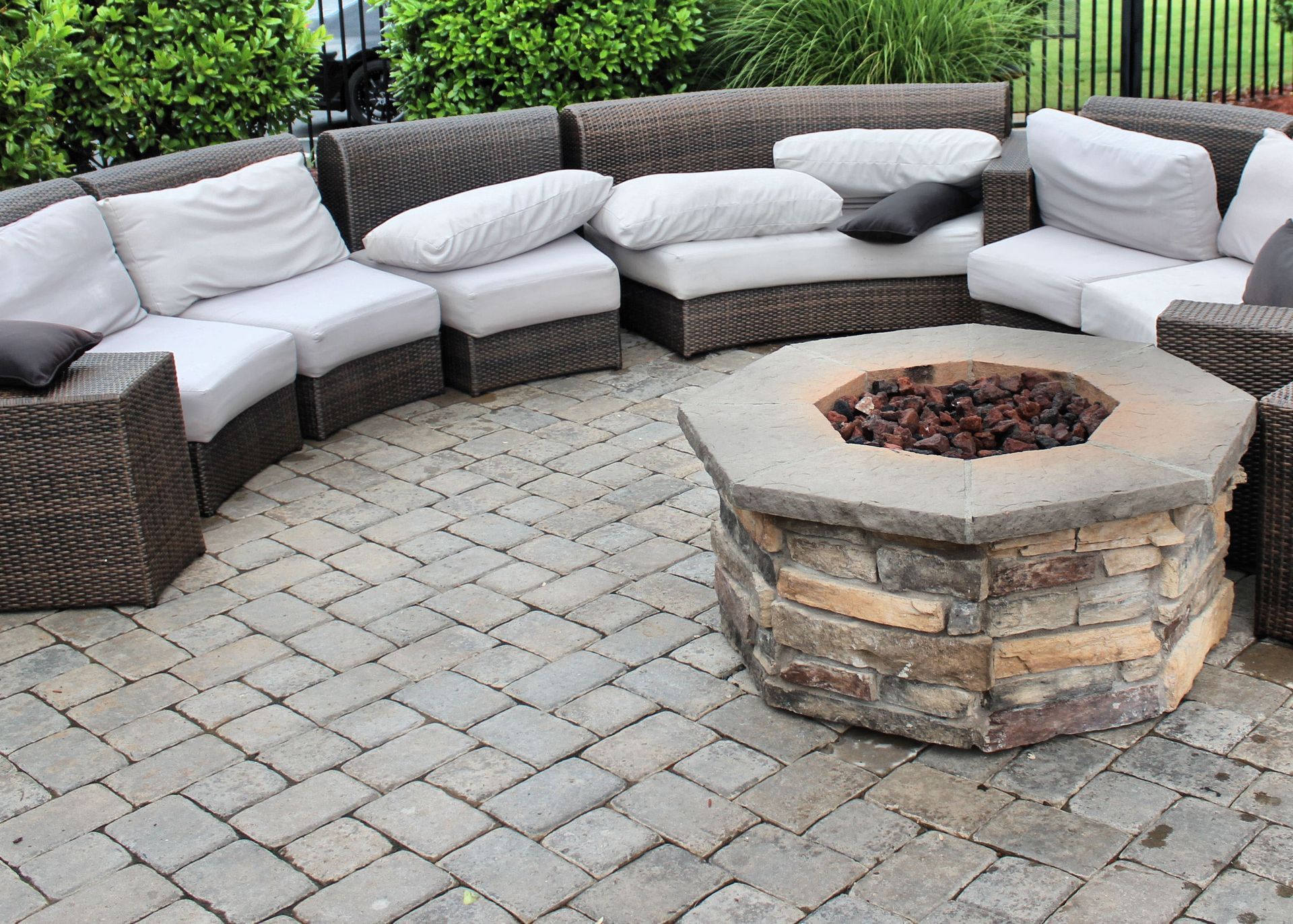
Evaluating the distinct material characteristics of concrete, natural stone, porcelain, and clay pavers represents the foundational step in designing a successful hardscaping project. Concrete pavers remain an exceptionally popular choice due to their versatility, affordability, and wide range of interlocking geometric shapes and color tones. Manufactured using high-density concrete mixes, these units offer uniform dimensions that simplify installation while providing strong resistance against physical wear.
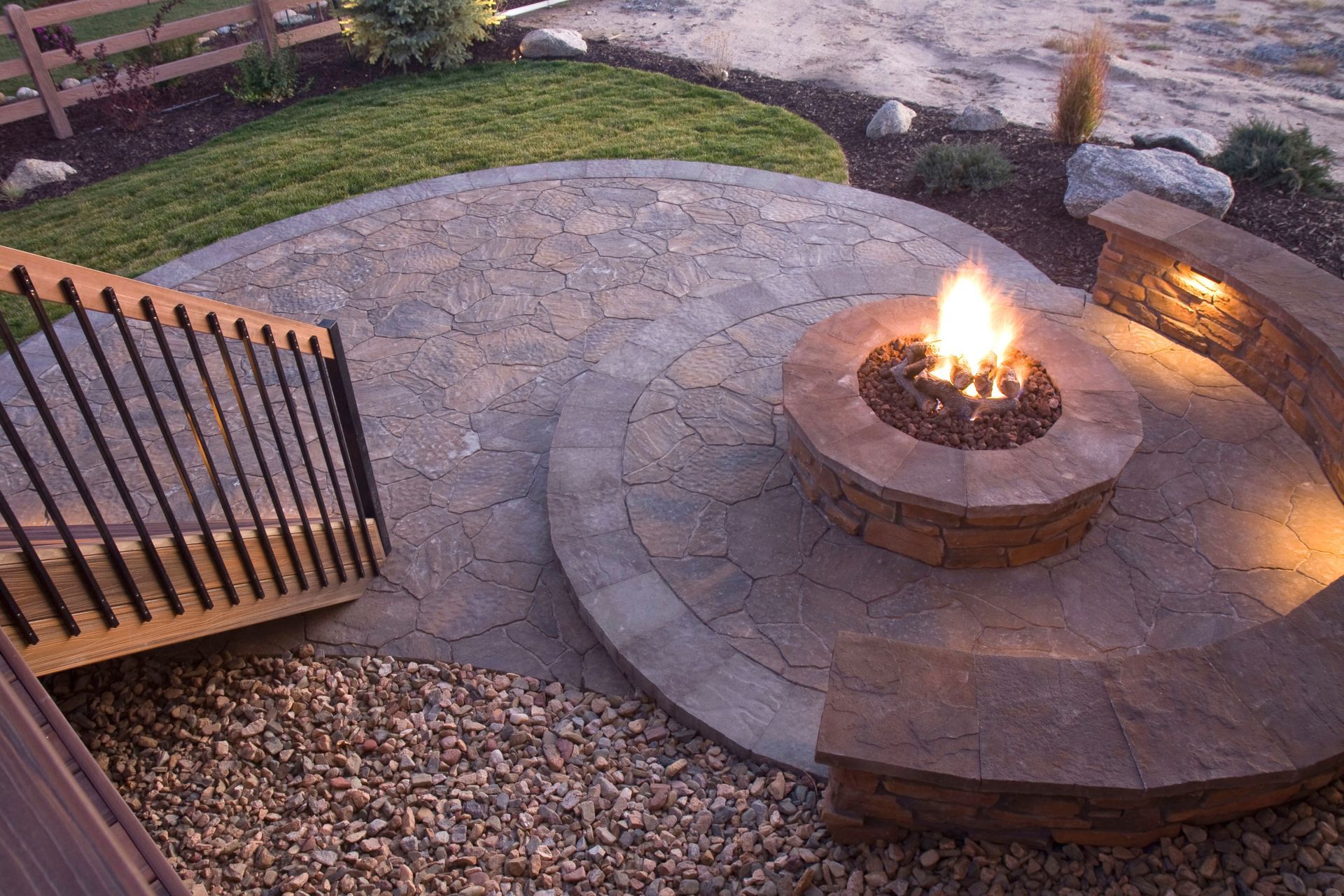
Natural stone pavers—such as flagstone, slate, granite, travertine, and limestone—bring authentic organic beauty, unique color veining, and rich tactile warmth to outdoor living spaces. High-density outdoor porcelain pavers provide a sleek, contemporary aesthetic featuring exceptionally low water absorption rates that resist deep staining and freeze-thaw cracking. Contracting professional hardscaping services guarantees that material characteristics are matched accurately to specific project environments, ensuring that chosen pavers withstand regional weather conditions while fulfilling your aesthetic vision.
Analyzing Long-Term Material Lifespans and Protecting Property Equity
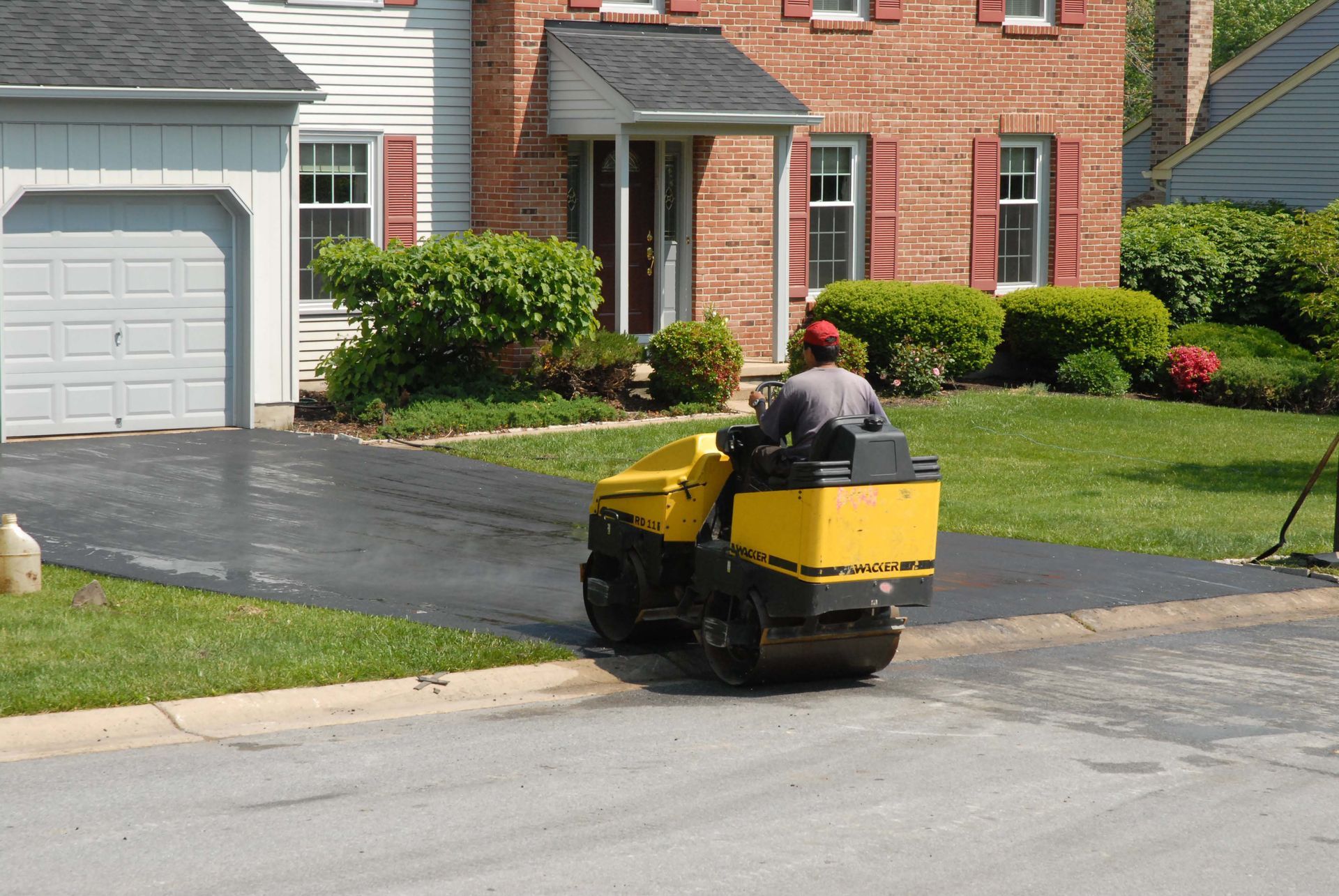
Analyzing expected material longevity and long-term durability highlights why investing in high-grade paver units yields substantial financial returns for homeowners. Cheap surface materials, poured concrete slabs, and low-grade asphalt driveways frequently suffer from surface cracking, spalling, and unsightly thermal expansion joints over time. Interlocking paver systems flex naturally with minor subgrade soil movements, preventing major structural cracking and allowing individual units to be replaced easily if damaged.
Industry insights confirm the impressive durability associated with professionally manufactured and installed paver products. According to Interior God, high-quality pavers can last anywhere from 25 years to a lifetime. Partnering with experienced providers of hardscaping services ensures that high-density pavers are installed over properly compacted aggregate base layers, maximizing structural performance and protecting your long-term property investment across decades of daily use.
Matching Architectural Aesthetics and Enhancing Residential Exterior Styles
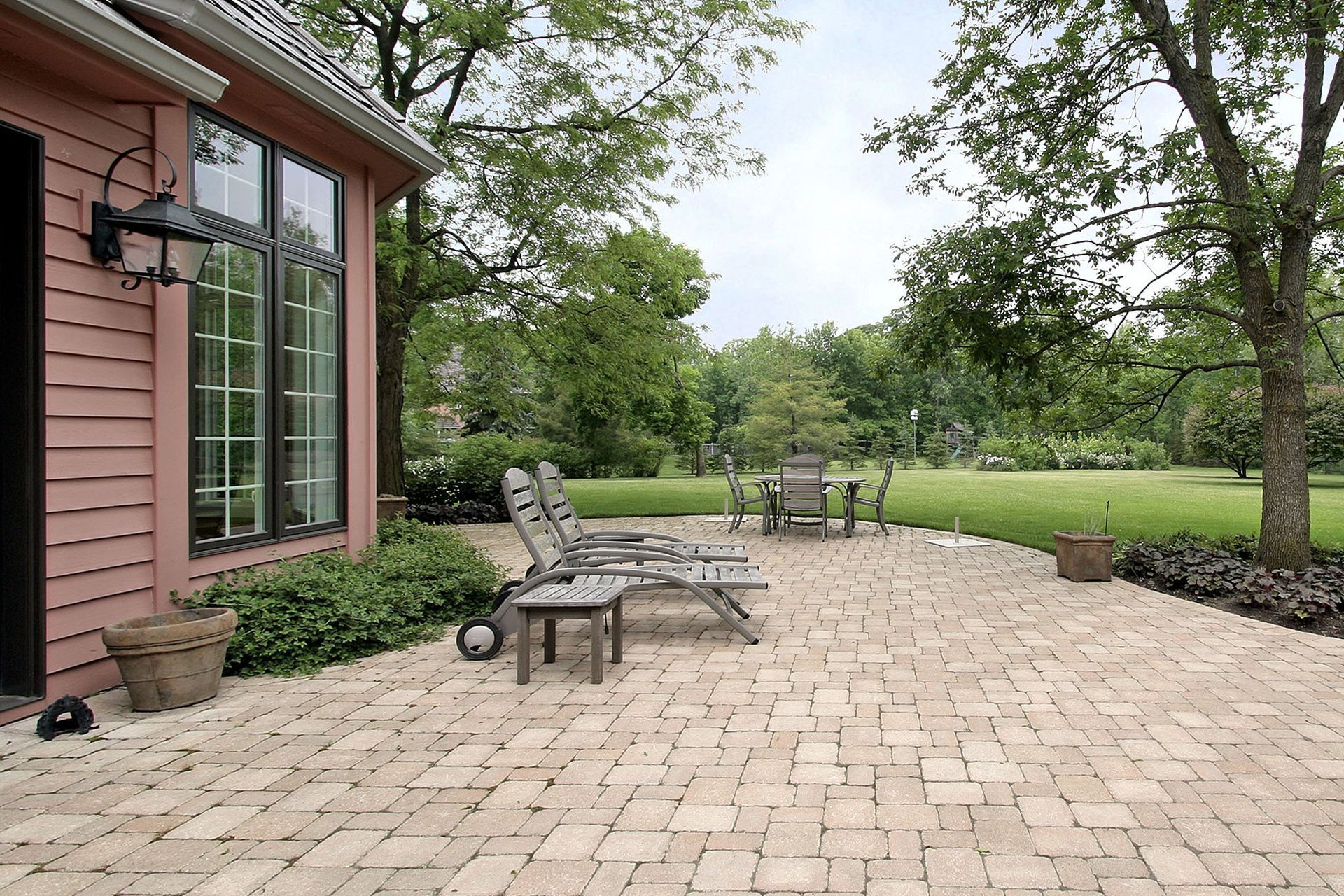
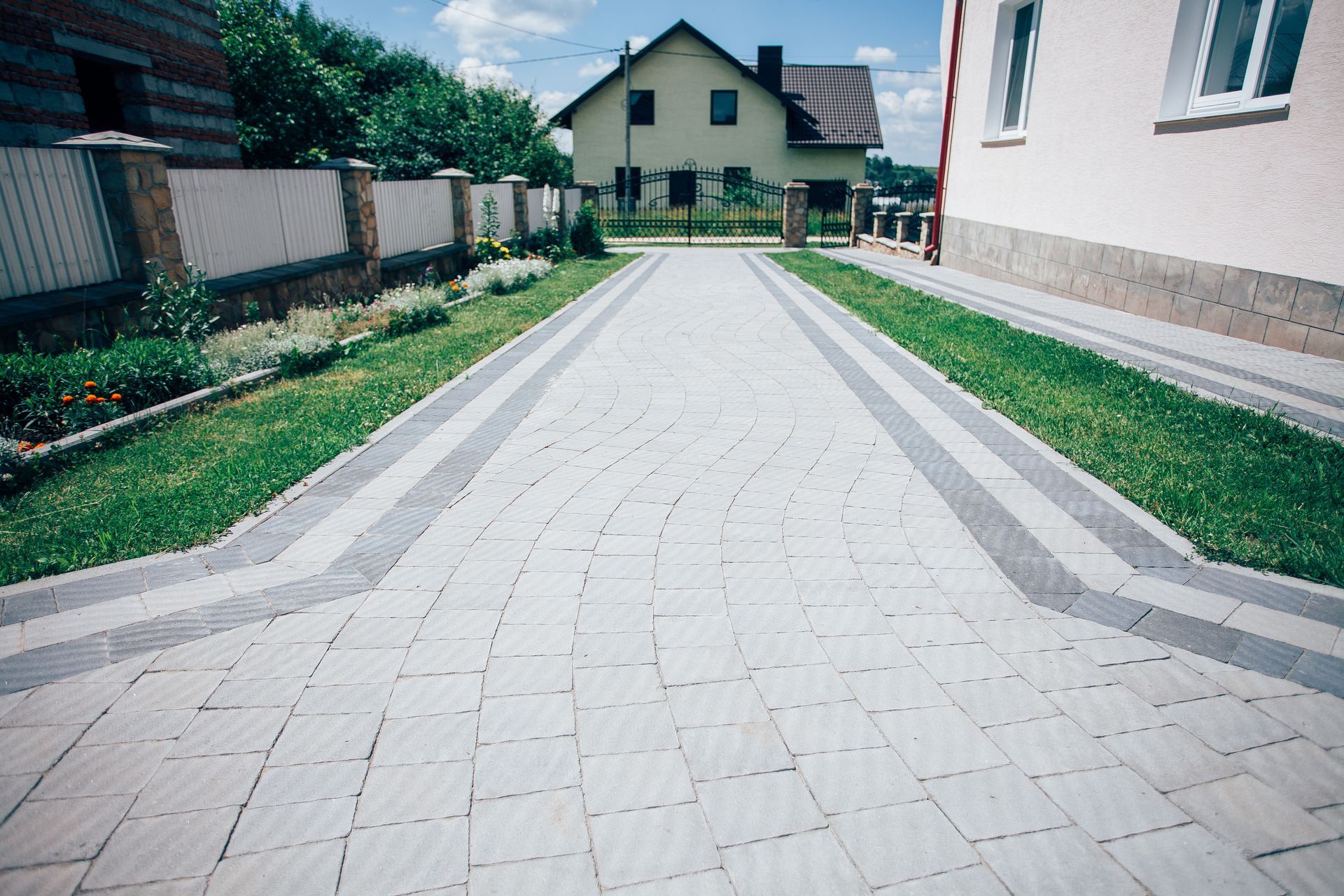
Matching paver color palettes, surface textures, and laying patterns to your home's existing architectural style creates a harmonious visual flow across the entire property. A rustic stone cottage or traditional brick home benefits from tumbled, textured pavers laid in historic herringbone or running bond patterns that mirror classic masonry techniques. Conversely, modern minimalist residences demand large-format, smooth-finish pavers arranged in clean, linear stacked bond layouts that emphasize sharp geometric lines.
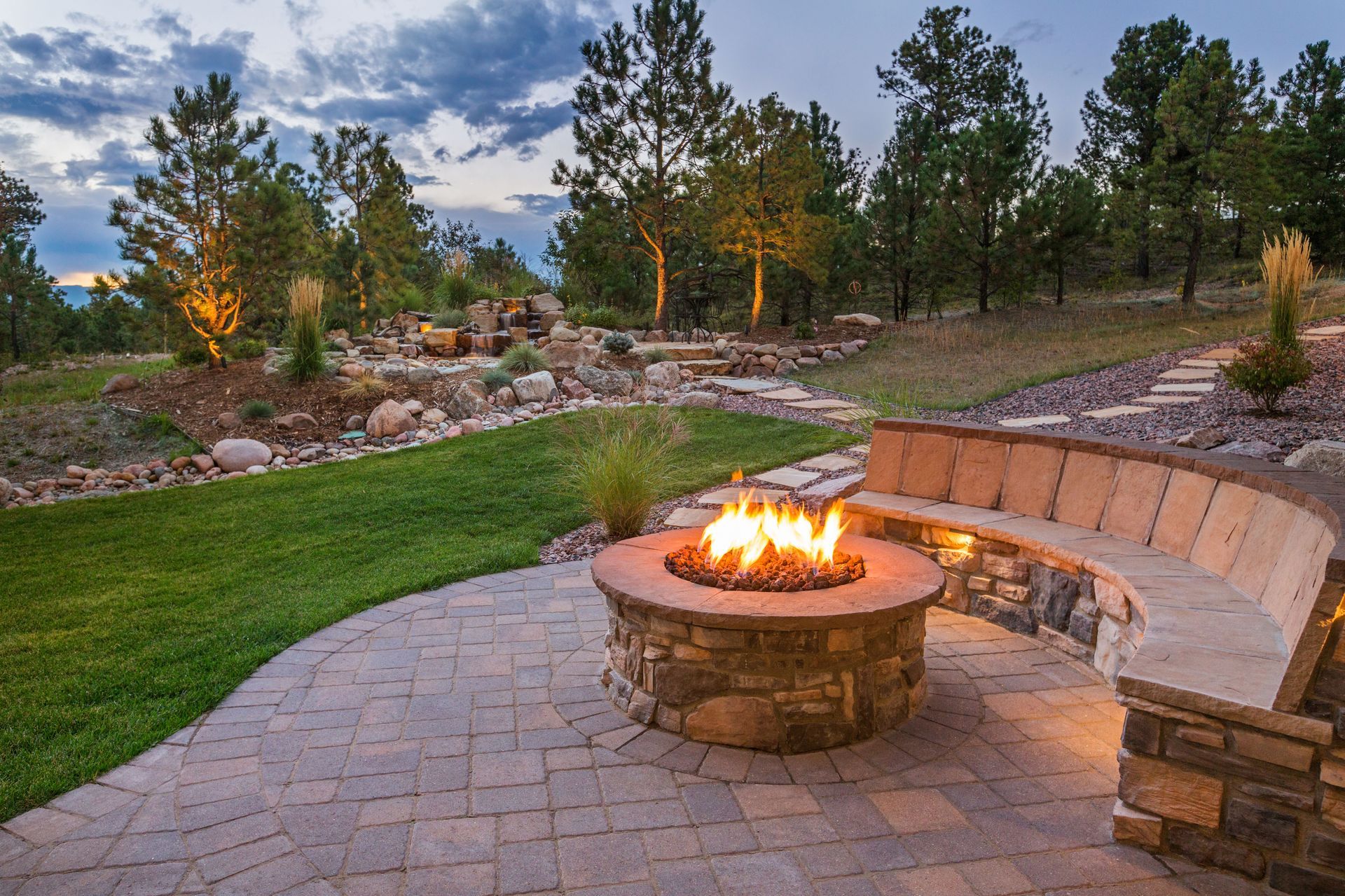
Furthermore, selecting complementary color tones unifies outdoor living zones with interior floor finishes, making indoor spaces feel connected to rear patios. Earthy tan, rich copper, and warm charcoal tones blend naturally into surrounding garden foliage, while light cream, cool gray, and ivory slate surfaces reflect sunlight to keep patio floors comfortable underfoot during hot summer days. Engaging specialized hardscaping services provides access to custom design renderings and material samples, ensuring that final paver selections elevate overall home exterior aesthetics.
Verifying Load-Bearing Requirements and Designing Structural Foundations
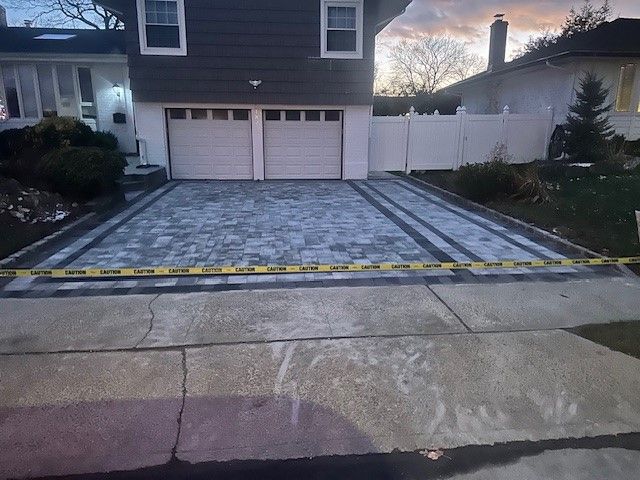
Verifying specific load-bearing demands across different outdoor zones ensures that subgrade foundations and paver thicknesses are engineered to handle intended weight capacities. Light-foot-traffic areas—such as garden walkways, poolside lounging decks, and casual patio dining zones—require standard paver thicknesses set over compacted gravel bedding layers. However, heavy-vehicle zones like residential driveways, parking aprons, and boat storage pads demand thicker structural pavers capable of withstanding immense axle pressures without shifting or rutting.
Engineering proper base preparation is equally vital, requiring deep excavation, geotextile fabric installation, crushed aggregate base compaction, and precise sand bedding layers to distribute point loads evenly. Skipping foundational site preparation leads to sunken wheel ruts, shifting joint lines, and pooling surface water after heavy rainstorms. Utilizing experienced hardscaping services guarantees that excavation depths, aggregate compaction rates, and paver thicknesses are calculated accurately for heavy driveways and light patio spaces alike.
Selecting Slip-Resistant Textures and Prioritizing Outdoor Family Safety
Selecting appropriate surface textures and non-slip finishes ensures that outdoor living spaces remain safe and comfortable for family members and guests during wet weather. Swimming pool surrounds, outdoor kitchen prep areas, and uncovered patio steps are continuously exposed to splashing water, cooking oils, and driving rain, making smooth or polished stone surfaces dangerously slippery when wet.
Tumbled, slate-textured, bush-hammered, or thermal-finished pavers provide micro-textured surface friction that enhances foot traction without causing discomfort to bare feet. Additionally, permeable paver designs incorporate wider aggregate-filled joint gaps that allow heavy rainwater to drain rapidly down into subterranean aquifers, eliminating standing surface puddles and hazardous ice patches during freezing weather. Contracting knowledgeable hardscaping services ensures that slip-resistant, permeable paver options are selected for wet zones, creating a safe, functional environment for poolside recreation and year-round family entertainment.
Choosing the best pavers for your hardscaping project represents a transformative step in expanding your home's functional living space, improving outdoor safety, and enhancing overall real estate market value. By carefully evaluating diverse materials—such as high-density concrete, authentic natural stone, sleek porcelain, and classic clay—you can select products that align perfectly with your aesthetic preferences and budget constraints. Understanding load-bearing requirements ensures that heavy driveways receive thick, reinforced paver bases, while choosing slip-resistant textures keeps poolside decks and patio steps safe for family enjoyment. Furthermore, investing in high-quality paver materials delivers exceptional long-term durability, providing weather-resistant outdoor surfaces that flex naturally without cracking. Partnering with certified installation specialists guarantees that site excavation, aggregate base compaction, edge restraint placement, and polymeric sand joint stabilization are executed with absolute precision.
At J.I.P. Construction, we are deeply committed to elevating your outdoor living environment, expanding your home's functional space, and delivering superior custom masonry solutions through master craftsmanship, high-grade paver materials, and dedicated customer care. Our team of certified hardscape specialists brings extensive site engineering expertise, advanced excavation machinery, precision laser-leveling tools, and meticulous attention to detail to every paver patio build, driveway installation, poolside deck remodel, retaining wall construction, and professional hardscaping services project we execute across our community. We take immense pride in evaluating your unique property topography, analyzing subgrade soil stability, helping you select ideal paver textures and color blends, and serving as your trusted outdoor building partner to bring total structural durability, visual elegance, and enhanced equity to your residence. Contact us today to schedule your comprehensive outdoor design consultation and discover the true value of working with dedicated local hardscaping specialists.
Share On: