

8 Paver Patio Design Ideas to Elevate Your Outdoor Living Space
A well-designed patio can transform an ordinary yard into a comfortable extension of your home. Pavers offer homeowners flexibility because they come in many shapes, textures, patterns, and finishes. With thoughtful planning, an outdoor patio can accommodate dining, entertaining, relaxing, or several activities at once. The right layout can also complement the architecture of the house and create a natural transition between indoor and outdoor areas. Choosing materials and features before construction begins can make the finished space more cohesive. Homeowners should consider how they plan to use the area before settling on a particular design. Professional planning and installation can also help ensure the finished patio has a stable foundation and proper drainage. Here are several design ideas to inspire a more functional and attractive outdoor living space.
1. Create a Defined Dining Area
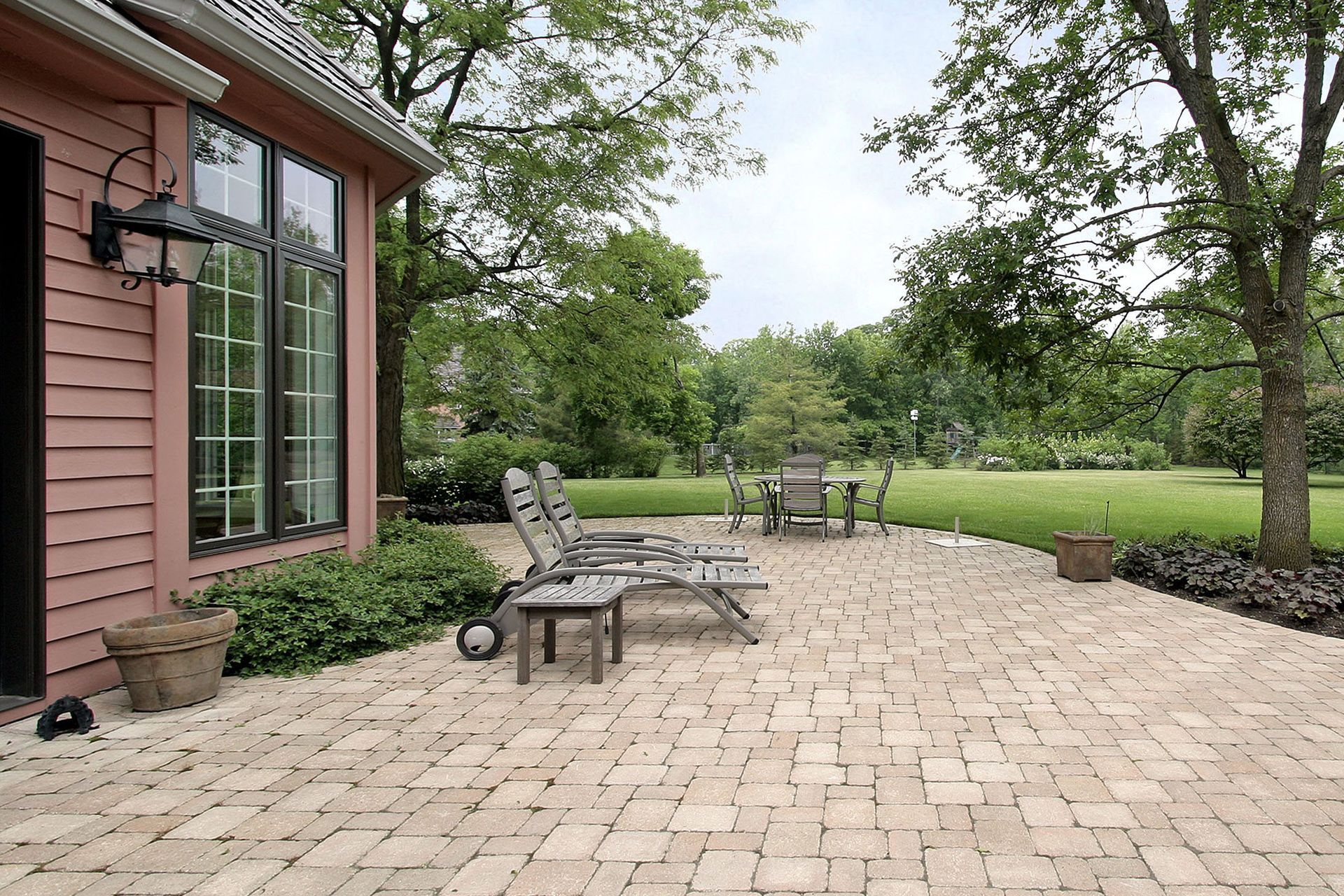
A dedicated dining area can make an outdoor patio especially useful for family meals and gatherings. Positioning a table and chairs on a level section creates a clear purpose within the larger outdoor space. Paver patio installation can establish a durable surface that accommodates dining furniture without requiring a separate platform. Homeowners can choose a paver color that complements exterior walls, trim, or other landscape features. A nearby grill or outdoor kitchen can make the dining zone even more practical. Lighting around the perimeter can provide visibility when meals continue after sunset. Adding planters or low landscape borders can help visually separate the dining area from other patio activities. With thoughtful placement, this design can make outdoor meals feel like a natural extension of the home's living space.
2. Design a Comfortable Lounge
An outdoor lounge can provide a dedicated place for relaxing, reading, or visiting with guests. Comfortable seating can be arranged around a coffee table, fire feature, or other central focal point. Paver patio installation creates a stable foundation for chairs, sofas, tables, and other outdoor furnishings. Homeowners can use larger pavers to create a clean appearance or combine different sizes for added visual interest. Outdoor rugs can help define the seating arrangement and introduce additional texture. Shade from a pergola, umbrella, or nearby trees can make the space more comfortable during sunny afternoons. Soft landscape lighting can add warmth without overwhelming the area after dark. A well-planned lounge encourages homeowners to spend more time enjoying their outdoor space.
3. Add a Geometric Pattern
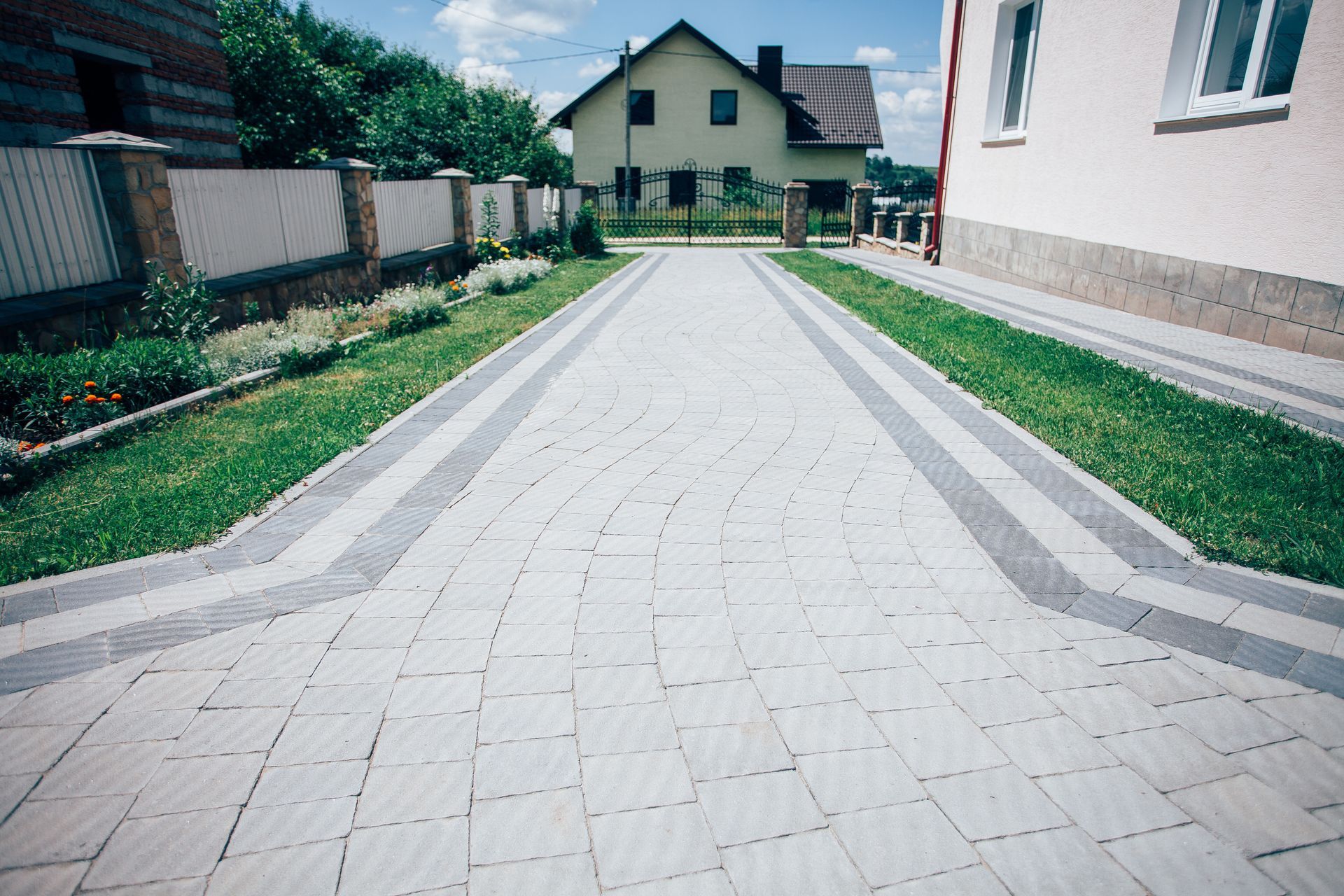
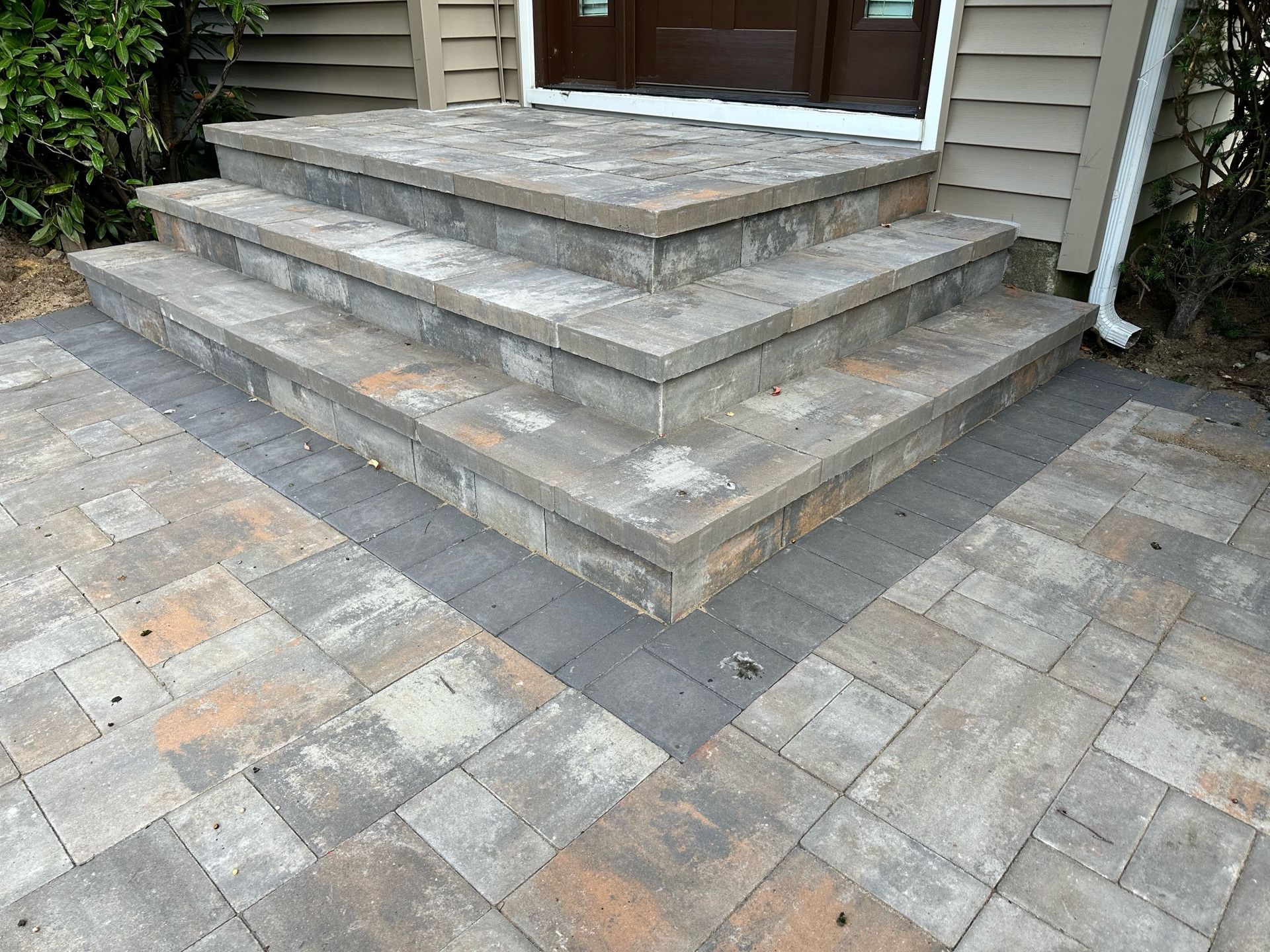
Patterns can give a patio a distinctive appearance without requiring an excessive number of decorative features. Geometric layouts can be created using contrasting paver sizes, colors, or orientations. Paver patio installation can incorporate patterns such as running bond, herringbone, basket weave, or other layouts suited to the home's style. A simple border can frame the main field and make the design feel more intentional. More elaborate patterns can create a focal point beneath a dining table or seating area. Homeowners should consider how the pattern interacts with the shape of the patio and surrounding landscape. Consistency between the paver pattern and architectural lines can help create a coordinated appearance. The right geometric design can make an otherwise simple patio feel carefully customized.
4. Build Around a Fire Feature
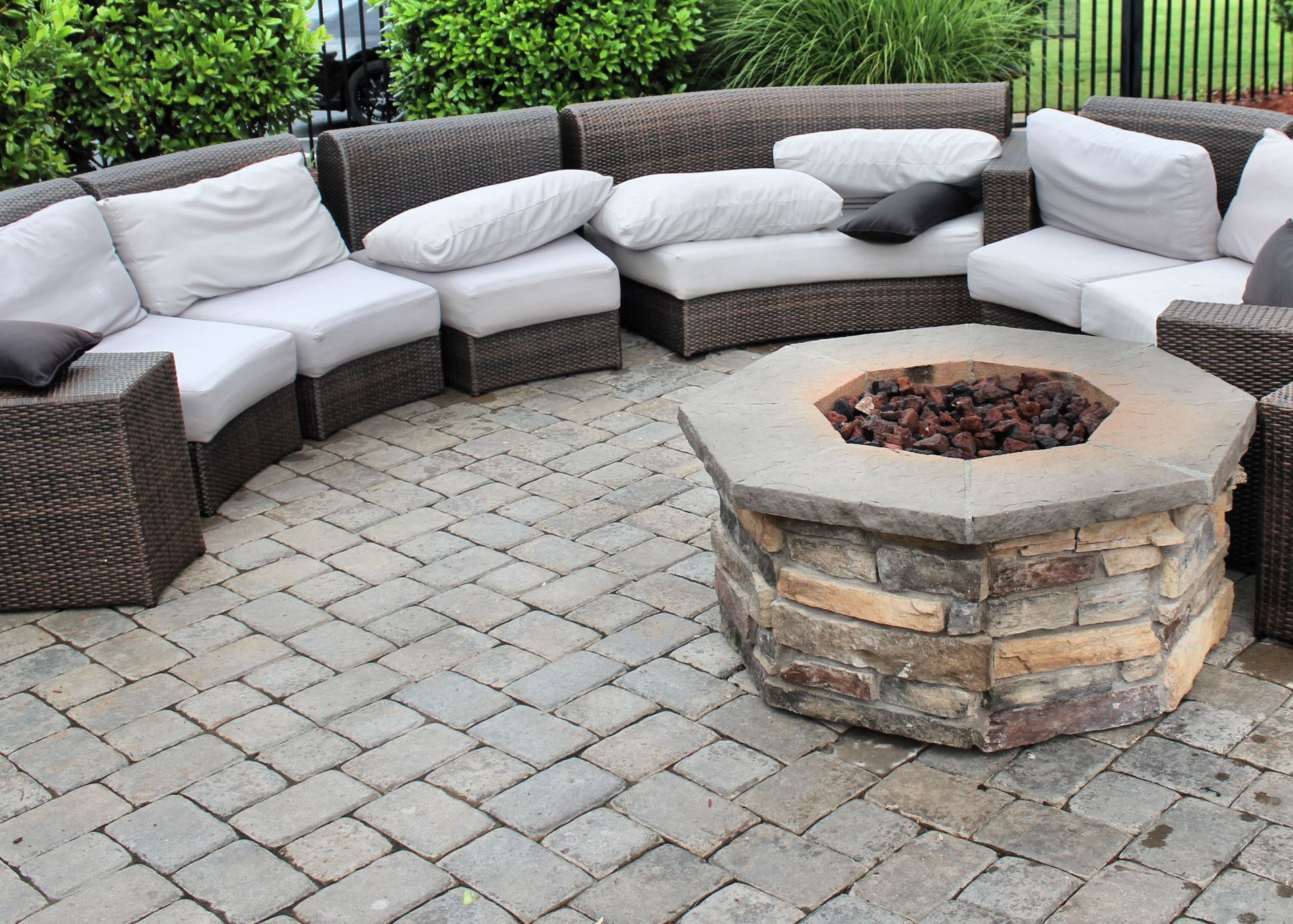
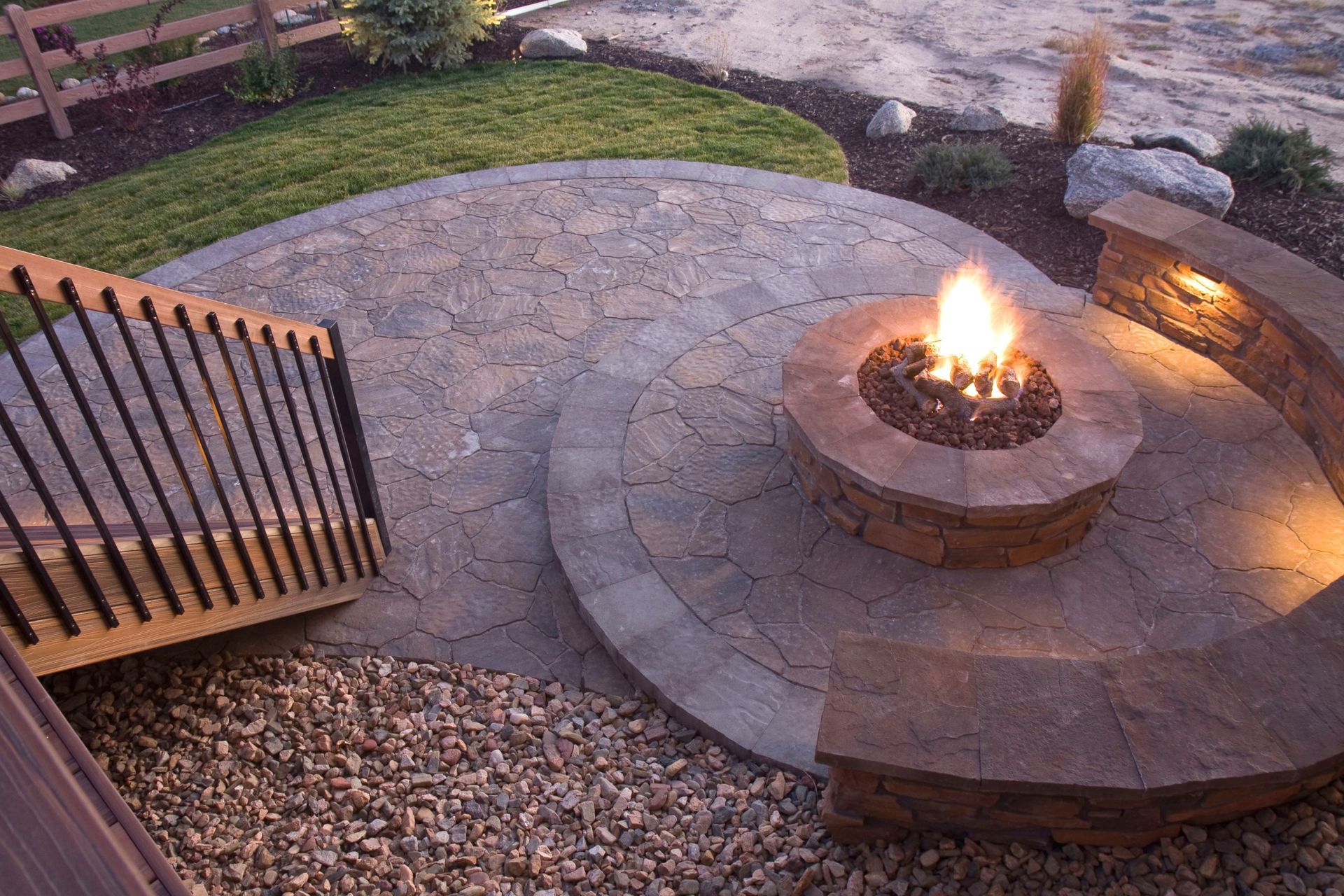
A fire feature can become a natural gathering point for an outdoor living area. A fire pit or built-in fireplace can provide a central feature around which seating is arranged. Paver patio installation can create a noncombustible surface around the designated gathering area when designed appropriately. The surrounding layout should provide comfortable circulation so people can move around the feature without crowding. Homeowners should also follow local requirements and manufacturer guidance for fire features. Seating materials should be selected for outdoor conditions and positioned at appropriate distances. Landscape elements can frame the area while preserving clear access and visibility. Combining a fire feature with a thoughtfully planned patio can create a welcoming space for evening gatherings.
5. Connect Multiple Outdoor Zones
Larger yards can benefit from dividing the patio into several connected areas. One section might serve as a dining space, while another provides room for lounging or outdoor cooking. Paver patio installation can visually connect these zones while allowing each section to have a distinct purpose. Different paver orientations can subtly distinguish one area from another without making the design feel fragmented. Pathways can connect the patio to gardens, pools, outdoor kitchens, or other parts of the property. Maintaining consistent materials throughout the design can create visual continuity. Homeowners should also consider how people naturally move through the space before finalizing furniture placement. A connected layout can make a larger outdoor area feel organized and easier to use.
6. Incorporate Curved Edges
Curved patio edges can soften the appearance of a yard and create a more organic transition between hardscape and landscaping. Instead of following only straight lines, the patio can curve around planting beds, trees, or other landscape elements. Paver patio installation can be adapted to certain curved layouts with careful planning and cutting. Curved edges can also guide movement and create more natural transitions between different areas of the yard. Homeowners can use planting beds along the curves to introduce color and texture. The design should still maintain adequate space for furniture and comfortable circulation. Professional layout planning can help ensure that curves remain visually appealing without sacrificing usable space. This approach can create a patio that feels integrated with the surrounding landscape.
7. Frame the Patio With Landscaping
Landscaping can make a new patio feel more connected to the rest of the property. Plant beds, ornamental grasses, shrubs, and container plants can soften hardscape edges and add natural color. Paver patio installation can be planned alongside these landscape features so the patio and planting areas complement each other. Homeowners should select plants based on sunlight, soil conditions, maintenance preferences, and local growing conditions. Low-growing plants can define edges without obstructing pathways or seating. Taller plants can provide privacy when positioned carefully around the perimeter. Decorative stones or mulch can create a clean transition between planting areas and paved surfaces. Combining hardscape and landscaping thoughtfully can produce a balanced outdoor environment.
8. Create an Outdoor Kitchen
An outdoor kitchen can turn a patio into a functional space for cooking and entertaining. Depending on available room, the design might include a grill, countertop, storage, sink, refrigerator, or serving area. Paver patio installation provides a durable foundation for outdoor kitchen components when the underlying structure is properly prepared. The kitchen should be positioned where smoke, heat, and cooking activity will not interfere with seating or household entrances. Utility requirements should also be considered before construction begins. Adequate lighting can make food preparation easier after sunset. Counter space around cooking equipment can improve convenience and create room for serving meals. A thoughtfully planned outdoor kitchen can make the patio useful for more than occasional gatherings.
A patio should be designed around both present enjoyment and long-term usability. According to HomeLight, a new patio can provide a 109% return on investment, making outdoor improvements worth considering for homeowners who are planning strategically. This does not mean every patio project will produce the same financial return, because results can depend on location, design, materials, workmanship, and market conditions. A practical layout can nevertheless make the property more enjoyable while potentially contributing to its appeal. Durable materials and professional installation can support the patio's appearance over time. Homeowners should avoid designing solely around short-lived trends that may quickly become outdated. Instead, choosing timeless materials and flexible spaces can provide lasting usefulness. A thoughtfully designed patio can serve both lifestyle needs and broader property goals.
Ready to transform your backyard? Contact J.I.P. Construction today to discuss your project and schedule professional paver patio installation for your outdoor living space.

Share On: