

How Professional Asphalt Installation Impacts Long-Term Durability
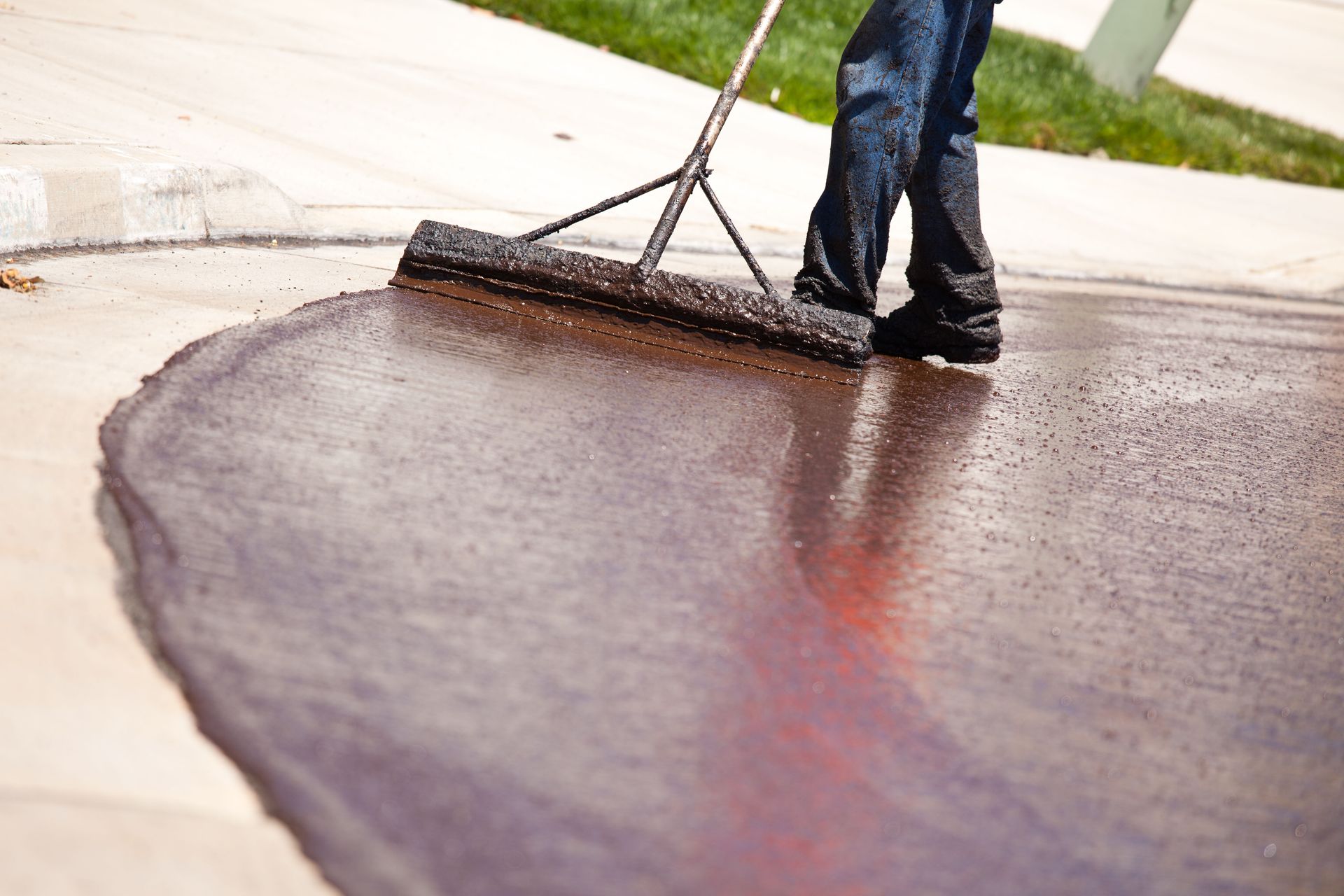
Asphalt surfaces are a significant investment for property owners, making proper installation essential for long-term performance. Whether installing new pavers driveways or improving existing asphalt surfaces, durability depends on several factors, including material quality, surface preparation, drainage, and installation techniques. Professional installation helps ensure these elements work together to create a smooth, stable surface that can withstand regular traffic and changing weather conditions.
Creating a Stable Foundation Through Proper Preparation
A durable asphalt surface starts well before the asphalt mixture is applied. Proper site preparation establishes the foundation needed to support vehicle weight, resist shifting, and prevent premature deterioration. Without adequate preparation, even high-quality asphalt can develop cracks, depressions, and uneven areas.
Professional asphalt installation begins with evaluating the existing ground conditions and determining the necessary preparation. This may include removing unsuitable materials, grading the surface, and compacting the underlying soil. A stable foundation helps distribute vehicle weight evenly and reduces the likelihood of movement beneath the pavement.
Base preparation is particularly important for pavers driveways because these surfaces must withstand repeated vehicle traffic. If the underlying soil is loose or poorly compacted, the asphalt may eventually settle or develop low spots. Taking the time to prepare the site correctly helps prevent these problems and supports a longer-lasting finished surface.
Improving Strength Through Quality Materials
The materials used during installation directly impact how well asphalt performs over time. Asphalt mixtures contain aggregates, binder, and other components that work together to create a flexible yet durable pavement surface. Selecting an appropriate mixture helps ensure the finished pavement can handle its intended use.
Professional contractors understand how material selection affects pavement performance. They consider factors such as expected traffic volume, vehicle weight, environmental conditions, and the intended application when determining which materials are appropriate.
Using suitable materials can provide several long-term benefits:
- Improved Load Resistance: Properly selected aggregates and asphalt mixtures help the pavement withstand repeated pressure from vehicles.
- Greater Flexibility: Asphalt can accommodate minor ground movement and temperature changes without immediately developing structural damage.
- Better Surface Performance: Consistent materials help create an even surface that supports reliable everyday use.
- Reduced Maintenance Needs: Quality materials can help limit premature cracking, deterioration, and other common pavement problems.
These considerations are especially important when installing pavers driveways that experience frequent use. Choosing materials based on the property's needs helps establish a surface designed for lasting performance.
Preventing Premature Damage Through Proper Compaction
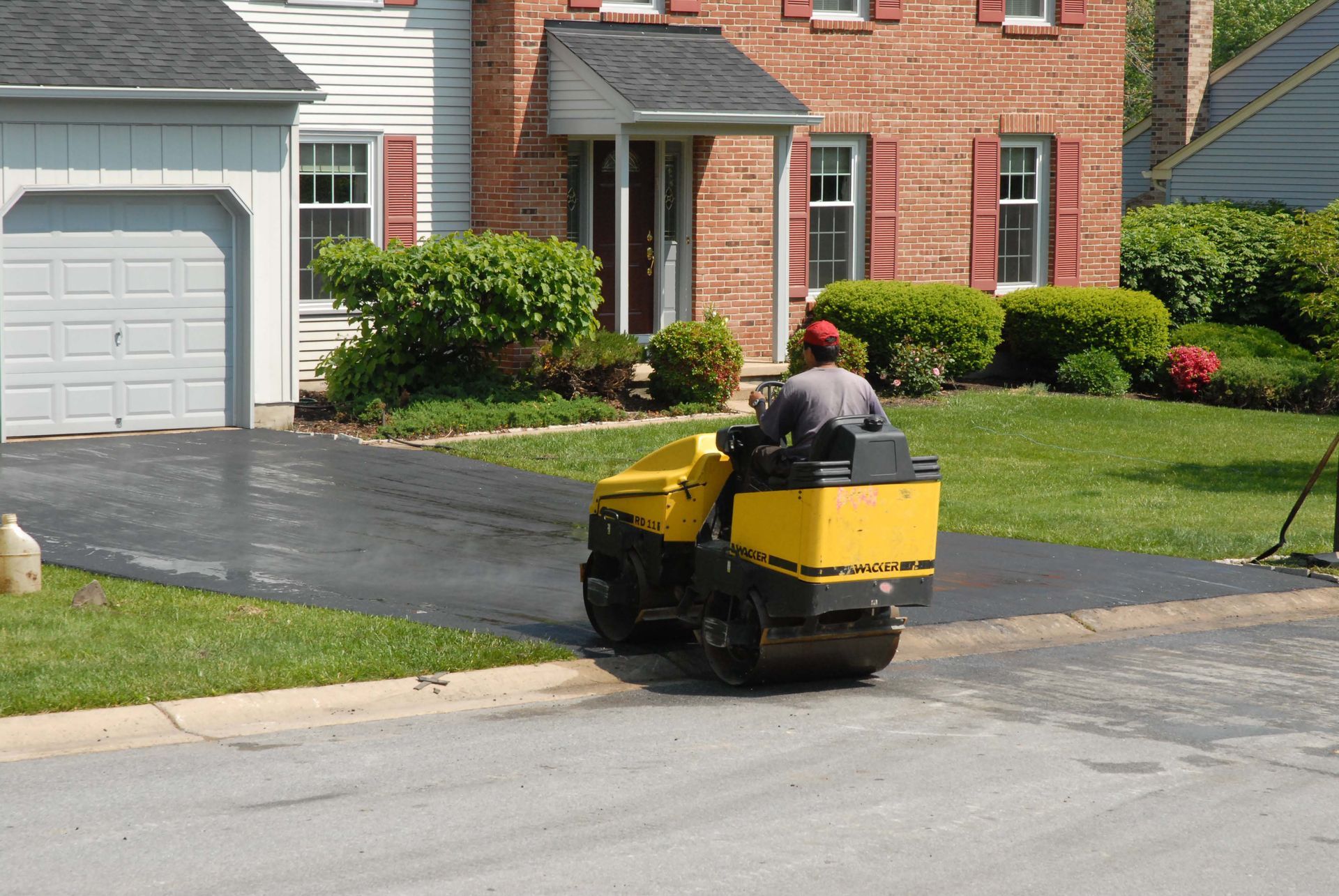
Compaction is one of the most important steps in asphalt installation. After the asphalt mixture is placed, contractors use specialized equipment to compress the material and create a dense, uniform surface. Proper compaction helps the individual components bond together and reduces the amount of air space within the pavement.
Insufficient compaction can leave asphalt vulnerable to water infiltration, cracking, and surface deterioration. When water enters small openings in the pavement, it can weaken the underlying layers and contribute to damage over time. Loose asphalt may also become more susceptible to rutting under repeated vehicle pressure.
Professional contractors understand the importance of achieving the appropriate compaction level throughout the installation process. They use suitable equipment and techniques to ensure the material is evenly compressed, including along edges and other areas that may be more difficult to reach.
For pavers driveways, proper compaction helps create a firm surface that can support vehicles without developing premature depressions or uneven sections. This attention to detail contributes to both structural stability and a smoother finished appearance.
Protecting Pavement Through Effective Drainage
Water is one of the most common causes of asphalt deterioration. Although asphalt provides a durable driving surface, standing water and repeated exposure to moisture can gradually weaken pavement materials. Poor drainage can also contribute to subsurface erosion, increasing the risk of settlement and structural damage.
Professional installation accounts for drainage during the grading and layout stages. Contractors establish appropriate slopes that direct rainwater away from the pavement rather than allowing it to collect in low areas. They also consider surrounding landscaping, nearby structures, and existing drainage patterns when planning the installation.
Effective drainage helps prevent several common problems:
- Water pooling that gradually weakens the pavement.
- Erosion beneath the asphalt that causes settling.
- Moisture infiltration that contributes to cracking.
- Freeze-thaw damage that expands existing cracks and surface openings.
Proper drainage is particularly important for pavers driveways because standing water can accelerate deterioration in areas that experience frequent vehicle traffic. Addressing water management during installation helps protect the pavement and reduce the likelihood of expensive repairs.
Extending Pavement Life Through Professional Techniques
Asphalt installation requires more than placing material and smoothing the surface. Contractors must coordinate multiple steps, including material handling, temperature management, placement, grading, and compaction. Mistakes during any of these stages can affect the finished pavement's strength and longevity.
Experienced professionals understand how installation conditions influence asphalt performance. For example, asphalt must be placed and compacted within an appropriate temperature range to achieve the desired density. If the material cools too quickly, proper compaction becomes more difficult, potentially leaving the finished surface less durable.
Professional installation also helps maintain consistent thickness across the paved area. Uneven thickness can create weak spots that deteriorate more quickly under repeated pressure. Paying attention to these details helps ensure the pavement performs consistently rather than developing isolated areas of premature damage.
According to Thumbtack, professionally installed and properly maintained asphalt surfaces can last approximately 20 years before requiring repairs or resurfacing. This highlights the importance of combining skilled installation with ongoing maintenance to protect the original investment.
Reducing Long-Term Maintenance and Repair Costs
Although professional asphalt installation may require a larger initial investment than less experienced work, proper construction can help reduce long-term expenses. Pavement installed correctly is less likely to experience premature structural problems requiring extensive repairs.
Poor installation can lead to recurring issues such as potholes, cracking, rutting, and drainage problems. Addressing these concerns may involve patching damaged areas, correcting underlying conditions, or resurfacing larger sections of pavement. These expenses can add up when installation problems are not addressed early.
A professionally installed surface provides a stronger starting point for routine maintenance. Property owners can help protect their investment by taking practical steps such as:
- Keeping the pavement clear of debris and standing water.
- Addressing small cracks before they spread.
- Monitoring areas that experience frequent vehicle traffic.
- Scheduling professional inspections when signs of deterioration appear.
- Following recommended maintenance schedules.
These practices help preserve the condition of pavers driveways and other asphalt surfaces while reducing the likelihood of more significant repairs.
Maintaining Performance Through Changing Weather Conditions
Asphalt pavement is exposed to changing environmental conditions throughout the year. Temperature fluctuations, heavy rainfall, snow, and repeated freezing and thawing can gradually affect its structural integrity. Professional installation helps prepare the pavement to handle these challenges.
Properly compacted asphalt provides a dense surface that limits moisture penetration, while a well-prepared foundation helps reduce movement caused by changing ground conditions. Appropriate grading also prevents water from collecting on the pavement, minimizing exposure to moisture-related damage.
Temperature changes can cause asphalt to expand and contract. Although asphalt has natural flexibility, poor installation can make the pavement more vulnerable to cracking and deformation. Using appropriate materials, maintaining consistent thickness, and ensuring proper compaction help improve its ability to withstand seasonal stress.
For paver driveways, these installation considerations are especially valuable because the pavement must remain functional through changing weather while continuing to support regular vehicle use.
Protecting Your Asphalt Investment
Professional asphalt installation plays an essential role in determining how well a pavement surface performs over time. Whether installing new pavers driveways or maintaining existing asphalt surfaces, proper site preparation, quality materials, effective compaction, and reliable drainage all contribute to greater durability and fewer premature repairs. When these steps are handled correctly, property owners can enjoy a smoother, more dependable surface for many years. Contact J.I.P. Construction to discuss professional asphalt installation and learn how the right approach can help protect your property's pavement investment.


Share On: